
The WTO Vacuum and What It Means for ESG and Trade in Turkey-EU Relations
By N. Kerem Uler
A couple of days ago, the US trade representative sent out a series of posts that criticized the EU's regulations against deforestation and the Carbon Border Adjustment Mechanism. I realize the current US administration is currently busy arguing that VAT is a form of trade protectionism so it is very hard to make sense of what they are saying right now, but there is a very notable bit of irony in those posts that I just could not let go without noting; if this dispute had happened ten years ago and any country had such misgivings about a trade partner putting up non-tariff trade barriers the traditional legal path to challenge such trade barriers would be to initiate a dispute at the WTO.
However, since 2016 (even before the first Trump term), the US has been refusing to appoint judges to the WTO appellate body, which has significantly curtailed its effectiveness.
Because of the said US refusal, any appeal from an initial panel decision, would go to the Appellate Body that currently lacks the quorum to function. Consequently, this vacuum denies all WTO members—in this case the U.S.—a final, binding adjudication. A panel ruling could be “appealed into the void,” meaning no legal closure or implementation.
This is objectively funny due to the "stepping on the rake and getting hit in the face" aspect but it also has a more serious implication that the tariffs that have recently been implemented are not negotiation ploys but another indicator that what the US has been doing is not a negotiation ploy but dismantling the free trade system it worked very hard to build.
Of course transatlantic business is not going to vanish overnight, however in the long term both European and Turkish companies would be wise to plan for a future with much less US involvement.
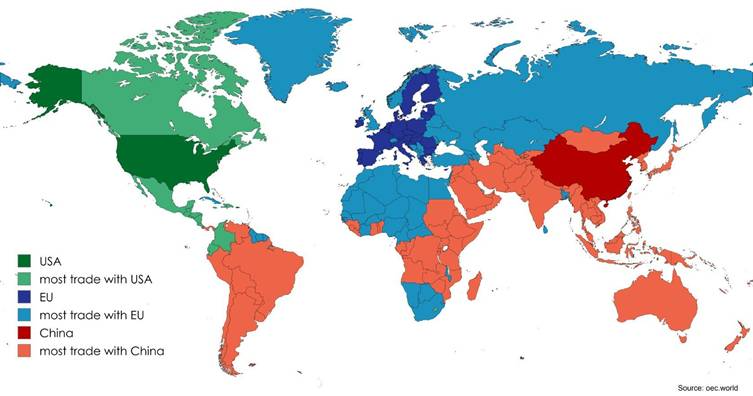
this chart from the https://oec.world/en becomes more important with each Trump sound bite. I believe that the current trade relationship between Turkey and the EU is only going to grow with the US effectively taking themselves out of the equation, it also arguably shows that the sustainability related requirements of the EU Green Deal are here to stay even if they are watered down in the short term and that Turkish exporters in particular should be very diligent in assessing their future opportunities and their related ESG strategies.
We’d be happy to explore how this shift could impact your strategy and what you can do to stay ahead.