
The Hague's Fossil Fuel Ad Ban: A Legal Milestone in Climate Action
By N. Kerem Uler
The Dutch court's recent decision to uphold The Hague's ban on fossil fuel advertising marks a significant legal precedent in the global fight against climate change. This ruling draws parallels to historic tobacco advertising bans, highlighting the role of regulatory action in addressing public health and environmental challenges.
Legal Parallels to the Tobacco Ad Ban
Much like the tobacco ad bans of the past, The Hague's fossil fuel ad ban recognizes the influence of advertising in normalizing harmful behaviours. Both bans aim to reduce the promotion of products that have significant negative impacts on society, whether it be public health or the environment. The court's decision affirms that such regulations are within the public interest and comply with EU law.
The tobacco advertising ban came about through a combination of legislative action and court decisions. In the United States, the Public Health Cigarette Smoking Act of 1970 and the Family Smoking Prevention and Tobacco Control Act of 2009 were key legislative measures that restricted tobacco advertising. Similarly, the European Union's Tobacco Advertising Directive (2003/33/EC) prohibited tobacco advertising in print media, on the internet, and via sponsorship of events. These legislative actions were often challenged in court by tobacco companies, but courts generally upheld the bans, citing public health interests.
Scope and Impact of the Ruling
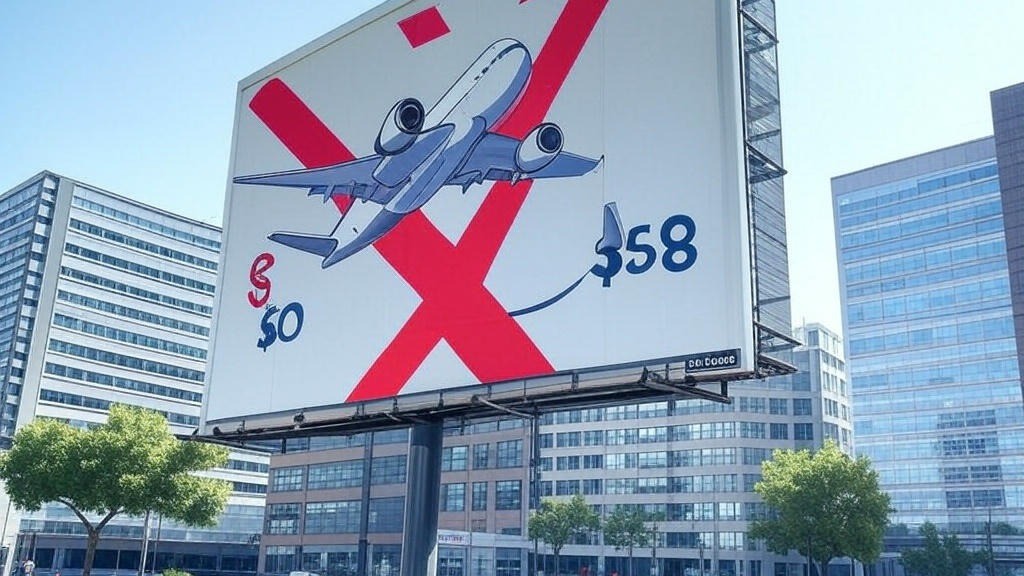
The ruling upholds a ban on advertisements promoting fossil fuels, airline holidays, flight tickets, grey energy contracts, gas contracts, cruise holidays, and cars powered by fossil fuels or hybrid engines. This decision empowers municipalities to adopt similar measures, setting an example for other cities to follow.
The Role of Local Governance
The Hague's ban was implemented through local legislation, demonstrating the power of city-level governance in driving meaningful change. The court's ruling emphasizes the discretion municipalities have in adopting policies deemed beneficial for their citizens, provided these policies are made democratically and are not evidently wrongful or unlawful.
Implications for Climate Action
This decision is a very significant one. By limiting the promotion of high-carbon products and services, The Hague aims to reduce emissions and encourage a transition to more sustainable practices. The ruling sets a benchmark for other cities to implement similar bans, potentially leading to a global shift in advertising regulations related to fossil fuels.
Competitive Advantage for Sustainable Tourism
As cities around the world increasingly recognize the need to curb fossil fuel consumption, sustainable tourism emerges as a crucial component of the transition to a low-carbon future. Destinations that proactively adapt to these changing expectations are not only mitigating their environmental footprint but also positioning themselves as attractive, forward-thinking travel hubs. For example, Amsterdam’s commitment to cycling infrastructure and electric public transport has made it a model for eco-friendly urban tourism, while Costa Rica's extensive network of protected natural areas attracts visitors seeking low-impact, nature-based experiences.
Given these global trends, Turkey also stands to benefit by embracing sustainable tourism. With approximately 40% of tourists coming from the EU, there is a significant opportunity for tourism companies to gain a competitive advantage by offering sustainable alternatives. If the fossil fuel ad ban catches on in other places, companies that can provide eco-friendly travel options will be better positioned to advertise their services in a marketplace where their competitors will not. This shift could drive innovation and investment in sustainable tourism practices, benefiting the environment, the economy and society as a whole.