
Is Gold in Its Golden Age?
By: Ozgur Unal Oztuna and Ozgul Erdemli Mutlu
Gold is perhaps the simplest investment product in the world—universal, accessible, and without boundaries. Whether you are a PhD from a prestigious university or a farmer in a remote village, gold is an asset you can both invest in and easily understand. This has always been true, but why has gold recently surged to the $3,750 level, marking a year-to-date gain of around 43%?
One major factor is the weak-dollar policy of the United States. The Federal Reserve has been cutting rates and is expected to reduce them by at least another 50 basis points before year-end. Since gold is priced globally in dollars, a weaker dollar naturally pushes its price higher. Yet, the latest rally cannot be explained by monetary policy alone. Escalating geopolitical tensions, and ongoing trade wars have played an equally significant role. Gold has long been regarded as the ultimate safe haven. When uncertainty rises, so does the demand for gold.
Gold also carries no country-specific risk—holding it in a portfolio does not tie an investor to the fate of any one nation. In times of crisis, when complex financial instruments become less appealing, investors gravitate toward simplicity. Gold offers that. Even central banks turn to gold in times of turbulence.
At the 23 September session of the UN General Assembly, President Trump’s remarks underscored the persistence of global conflicts, highlighting widening rifts not only with adversaries but also with allies such as the EU. Against such a backdrop of uncertainty, demand for gold is unlikely to fade anytime soon. Reaching new record highs—even approaching $5,000—may not be a far-fetched scenario.
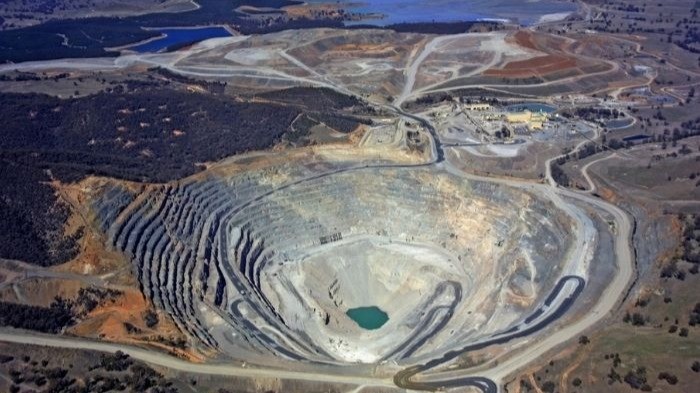
Still, while gold continues to shine as a safe haven, its rise also has consequences beyond financial markets. Higher prices make mining companies more valuable and encourage them to expand their operations. This growth often puts additional pressure on fragile ecosystems and global sustainability efforts. Yet these impacts are frequently overlooked by companies, policymakers, media and even individuals who hesitate to question an asset so closely tied to stability and security.
A balanced perspective on gold should therefore consider not only its financial and geopolitical role, but also the long-term environmental and social challenges linked to its extraction. After all the question isn’t just how much gold is worth today, but whether its true cost is one you’d still be willing to buy into.
i
Disclaimer: This article is provided for informational purposes only and does not constitute investment advice, recommendation, or solicitation to buy or sell any financial instrument. Investors should carefully evaluate their own financial situation, objectives, and risk tolerance, and, where necessary, seek independent professional advice before making any investment decisions.